Background: Why “Leather” Pricing Feels Messy
Real hides and synthetics are often sold side-by-side, so two sofas can look alike yet age very differently. Even market reports mix categories: recent estimates peg the leather-furniture market at ~US$11.45B in 2024 (Data Bridge) and ~US$23.8B in 2023 (Dataintelo), a gap driven by whether reports count faux/vegan alongside real leather. That’s exactly why buyers feel unsure about value.
PU Leather (Vegan Leather)
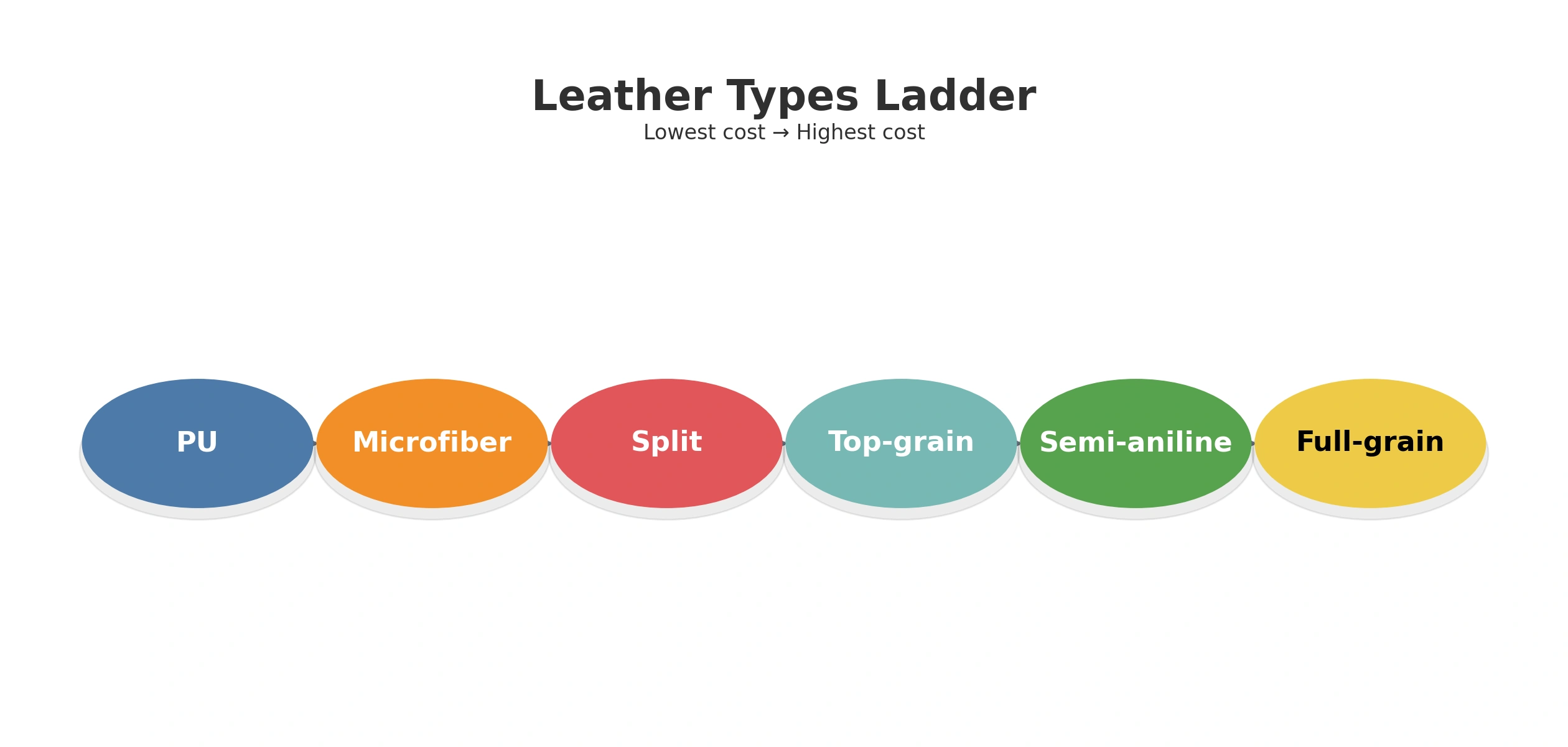
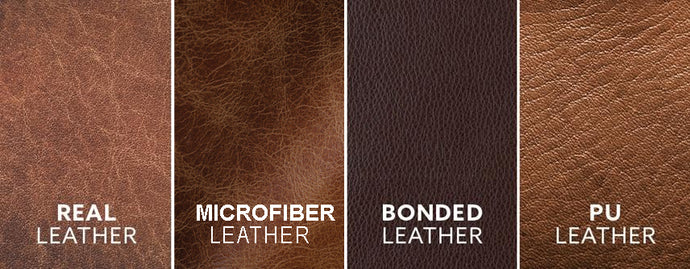
PU is a polyurethane film over fabric designed to mimic leather. It looks tidy out of the box and wipes clean, but the plastic layer doesn’t breathe and is vulnerable to heat, UV, and flexing. Peeling and flaking are typical failure modes because the PU coating eventually breaks down or delaminates—real leather doesn’t fail this way. If you want a sofa for daily use or long ownership, PU is a false economy.
Microfibre Leather (Premium Vegan Leather)
Microfibre is a densely woven synthetic with a leather-look finish. The tight weave resists light snagging and is easy to clean, which is why many mainstream guides rate microfibre as a pet-friendly upholstery. You won’t get a natural patina, and the hand feel is warmer than hide, but if you want a vegan, low-maintenance option that copes well with daily life and cats, microfibre earns its reputation.
Split Leather (Entry Real Leather)
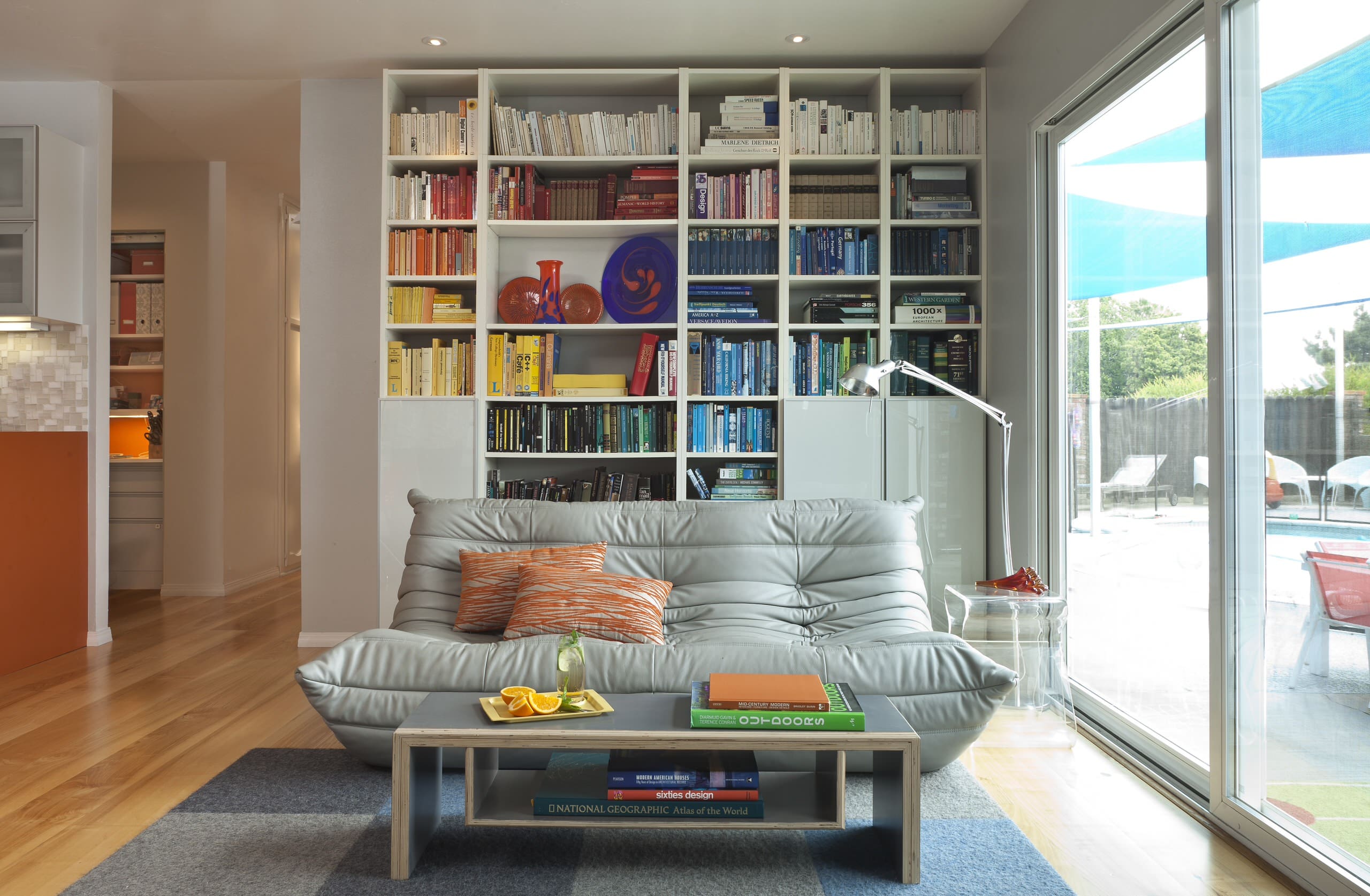
Split comes from the fibrous inner corium layer after the outer grain is removed. Makers usually apply heavier pigments or a polymer topcoat to add strength and visual uniformity. It brings a real-leather feel at a lower price, which is why many brands place split on backs and sides to control cost. On heavily used seating, it won’t wear like grain-side leathers, so it’s worth confirming where split appears on the piece.

Top-grain Leather (Easy to Get Confused)
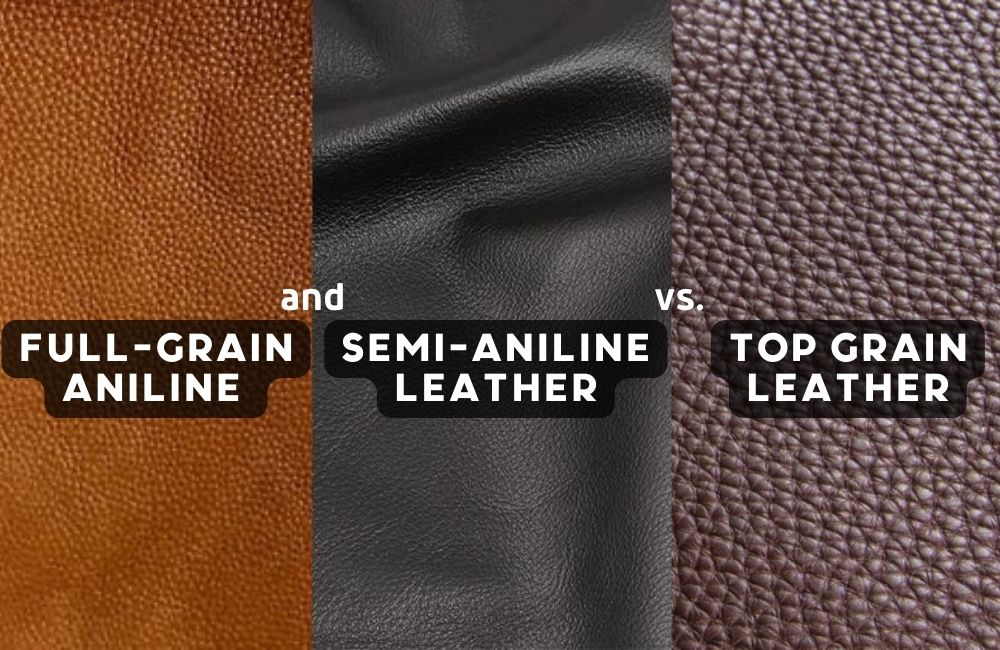
Top-grain is cut from the outer hide and then lightly corrected—sanded/buffed—to tidy surface blemishes before finishing. The result is a smoother, more uniform look with reliable stain resistance, great for family spaces. Confusion creeps in because “top” sounds like “best” and some listings blur it with full-grain. Always ask explicitly which grade you’re getting and request a labeled swatch.
Semi-aniline Leather (Premium Real Leather)
“Semi-aniline” describes the finish, not the grade. The hide is aniline-dyed for depth, then receives a very thin protective top layer, aiming for a natural look with practical stain resistance. It’s a strong choice when you want some character without babying the sofa.
Full-grain Leather (Best Real Leather)
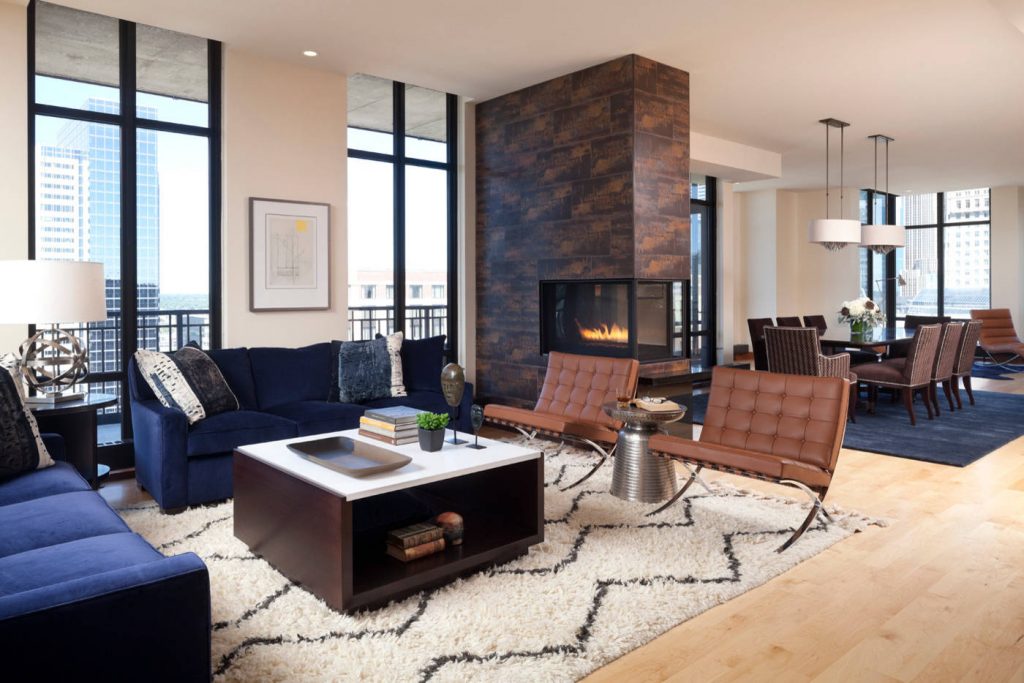
Full-grain keeps the grain surface intact, so you see the natural pores and markings. It’s the most durable, the most breathable, and it develops a rich patina with time and touch—ideal if you plan to keep the piece for years and like materials that age gracefully.
“Contact Areas” vs “Full Upholstery”
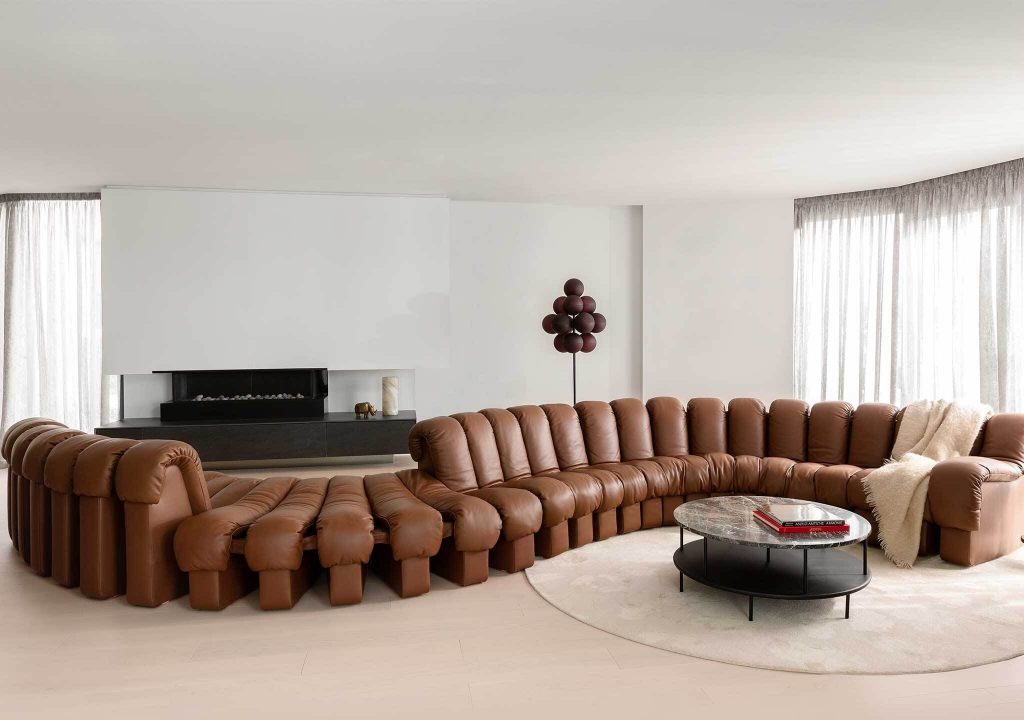
Retailers use two coverage patterns. Contact areas means the parts you touch (seats, inner backs, arm tops) are the specified leather, while the sides and rear use a look-alike synthetic or lower grade. Full upholstery means every visible panel is that same leather, front and back. The first approach reduces price but the different materials can age at different speeds; the second costs more yet patinas uniformly and is simpler to refinish. Store labels often call the first style “leather match” or “leather seating surfaces”—always ask which panels get which material and get it in writing.
Summary
If you’re furnishing for the long haul, skip PU for daily seating because peeling risk outweighs the upfront saving. Microfibre is the best vegan, easy-care choice—especially in pet homes—though it won’t develop a patina. Split is a cost-control move that’s fine on non-contact panels but less robust under heavy use. Top-grain delivers balanced, family-proof performance with a smooth, consistent look; semi-aniline adds “real leather” depth while keeping life-friendly protection. Full-grain is the benchmark for longevity and character; choose contact-area coverage to trim cost or full upholstery when the back and sides are on show and you want even aging.
Reference
- Data Bridge Market Research — global leather-furniture market size and CAGR.
- Dataintelo — alternative estimate for global leather-furniture market size.
- Living Spaces — “leather match” = real leather on contact areas; matched PU on sides/back.
- Better Homes & Gardens — microfibre highlighted as pet-friendly, tight-weave, easy-clean upholstery.
- Castlery / repair guides — peeling typically indicates bonded/faux or a failing finish, not quality full-grain.
- The Tannery Row & Carl Friedrik — distinctions between top-grain (corrected) and full-grain (intact grain, patina over time).
- Möbelpflege Shop guide — semi-aniline retains softness with a very thin protective layer.